Cafe Partnership Ideas With Local Artists and Makers
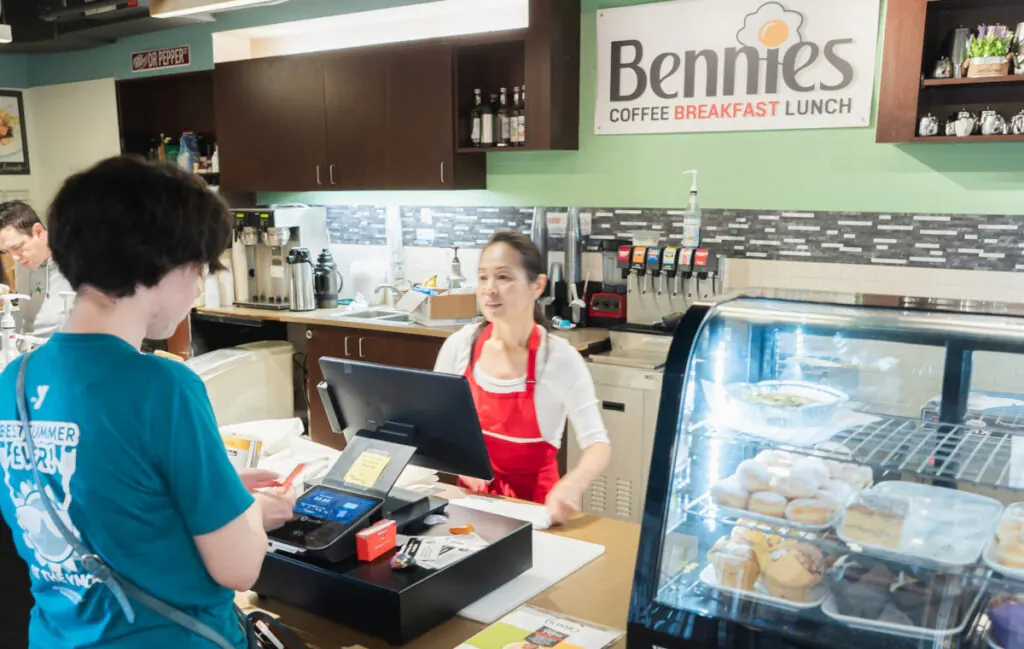
A good cafe already does more than pour drinks. It gives people a place to pause, meet, work, celebrate, or hide for half an hour with a warm cup and a pastry. That built-in role makes it one of the most natural places in a neighborhood to connect customers with local artists and makers. When the partnership is done well, it does not feel like extra marketing layered on top of the business. It feels like the cafe has become more itself.
I have seen these collaborations work beautifully when owners treat them as part of the guest experience, not as a side project. I have also seen them fail when the idea starts with vague goodwill and no operating plan. The difference usually comes down to fit, consistency, and respect for the other person’s craft. A ceramicist, illustrator, florist, printmaker, woodworker, baker, or textile artist is not just filling empty space on your wall or counter. They are lending your cafe some of their reputation. If you want lasting partnerships, you need to offer the same in return.
What follows is a practical look at the kinds of partnerships that tend to work best, how to structure them without creating confusion, and where the edge cases usually appear.
Why local creative partnerships make sense for a cafe
Most independent cafes compete on more than coffee quality. Of course the product matters. If the espresso is poor and the service is slow, no art show will save the business. But once the basics are strong, people choose a cafe for atmosphere, identity, and the feeling that the place belongs to a real community.
Local artists and makers help create that feeling in a tangible way. Their work changes the room, gives regulars something new to notice, and creates natural conversation between staff and customers. A wall of local photography is not just decor. It gives someone waiting for their flat white a reason to linger. A shelf of handmade ceramics near the register can turn a routine visit into a gift purchase. A once-a-month evening featuring a local printmaker or florist can bring in guests who might never have visited otherwise.
The business upside is real, but it is usually indirect at first. You may not see a dramatic jump in average ticket size from hanging paintings on the wall. What you often see instead is longer dwell time, stronger word of mouth, higher social sharing, and more reasons for customers to return. Those effects are hard to separate neatly on a spreadsheet, yet experienced operators recognize them immediately. The room feels alive. Staff have more to talk about. Guests start bringing friends.
There is another benefit that owners sometimes overlook. Partnerships can reduce creative fatigue. Running a cafe is repetitive by nature. Seasonal drinks, menu tweaks, and holiday promotions only go so far. Working with makers introduces fresh ideas without asking your team to invent everything themselves.
Start with the kind of place you already are
Before you reach out to anyone, take an honest look at your cafe. Not the aspirational version, the real one. Is it bright, fast-paced, and commuter-heavy? Is it slow and residential, with customers who settle in for an hour? Does your brand lean minimal, rustic, playful, literary, family-oriented, or design-forward? The best partnership ideas grow from that identity.
A tiny takeaway-focused shop near a train station may not be the right venue for monthly gallery openings, but it could be perfect for a rotating display of small prints, greeting cards, or pocket-sized ceramics near the till. A larger neighborhood cafe with evening hours might support workshops, live demonstrations, or ticketed community events. A cafe with strong brunch traffic may do better with weekend maker pop-ups than weekday installations.
This sounds obvious, but many partnerships stall because the owner chooses something they personally like instead of something that fits the space and the customer flow. I once watched a beautiful handmade candle display struggle in a busy cafe because the scent competed with the coffee and bakery aromas. The products were lovely. The placement was wrong. In another shop, a textile artist’s wall hangings softened a very industrial space and sold steadily because they matched both the room and the clientele. Taste matters, but context matters more.
Wall exhibitions that feel curated, not accidental
Displaying artwork is the most common starting point, and for good reason. It is relatively simple to set up, easy for customers to understand, and does not interrupt normal service. Yet even this straightforward model deserves thought.
The strongest cafe exhibitions are edited carefully. Three to eight pieces often work better than a crowded salon wall, especially in smaller spaces. Guests should be able to enjoy the work while still seeing menus, moving through the room, and finding seats. Labels need to be clear, discreet, and consistent. Prices should be visible enough that interested customers do not have to ask awkwardly, but not so dominant that the cafe starts to feel like a retail booth.
Commission structures vary by market. Some cafes take a percentage on sold pieces, often in the 20 to 35 percent range, while others charge no commission and treat the art as an atmosphere enhancement. Both approaches can work, but the arrangement should be explicit from the beginning. It helps to decide who handles payment, who manages delivery after a sale, and what happens if a customer wants a custom piece.
Openings can be modest and still effective. You do not need a red-carpet event. A two-hour evening gathering with one featured drink special and the artist present to meet guests is often enough. The key is timing. If your team is already stretched on Friday afternoons, do not add an event then. Pick a slower period and let the event support the cafe instead of overwhelming it.
Retail shelves for makers who complement the menu
Some of the most profitable collaborations happen not on the walls, but on a single well-chosen shelf. Customers are already in a buying mindset when they visit a cafe. If the retail offering feels coherent, adding a small item to the bill is easy.
Hand-thrown mugs, tea towels, notebooks, small-batch jams, chocolate bars, candles, illustrated cards, and simple jewelry all tend to work well, especially if the price points stay accessible. In many neighborhoods, the sweet spot for impulse retail is lower than owners expect. A customer may hesitate over a large original artwork, but they will often add a $12 card set or a $24 handmade cup if it feels special and easy to carry home.
The trap here is clutter. A cafe is not a general store unless it was designed to be one. Too many products, too many price tags, and too many visual styles can cheapen the room and confuse guests. Think like a good retailer. Give each maker enough space to look intentional. Refresh the display regularly. Keep stock levels neat. If something sits untouched for two months, talk honestly with the maker about whether the fit is right.
The best retail collaborations usually echo the cafe experience itself. A ceramicist who makes cups that resemble the ones you serve in is a natural match. A local illustrator whose work appears on your seasonal menu cards and also on prints for sale creates continuity. A honey producer whose jars are used in your kitchen and sold on your shelf gives customers a direct link between what they tasted and what they can take home.
Co-branded products that customers actually remember
There is a reason cafes love merchandise, but generic merchandise can be forgettable. A local maker can help you create items that feel more rooted and less promotional. The right co-branded product does not just carry your logo. It captures a piece of the place.
A potter might develop a custom cup shape just for your cafe, sold in small batches a few times a year. A printmaker might design a neighborhood map poster featuring landmarks within walking distance of the shop. A woodworker might produce serving boards or pastry stands for in-house use, then offer a retail version customers can order. A local soapmaker might create a scent for your restroom and retail shelf that subtly reinforces your brand without turning it into a gimmick.
These projects require more coordination than a simple consignment shelf. Lead times matter. Minimum order quantities matter. Packaging matters. So does quality control. If you are putting your name on an item, be realistic about production consistency and the maker’s capacity. A talented artist with a one-person studio may produce stunning work, but not at the scale or pace you need for a holiday launch.
That does not mean small-scale makers are the wrong partners. It means you should size the project sensibly. Limited editions are often smarter than permanent product lines. They create urgency, reduce inventory risk, and make the maker’s slower production rhythm an advantage rather than a problem.
Workshops and demonstrations that bring people in during quiet hours
If your cafe has enough space and the right licensing setup, workshops can be one of the strongest ways to turn creative partnerships into repeat traffic. They work particularly well during off-peak periods, such as weekday evenings or slower Sunday afternoons.
The best workshop concepts fit the physical reality of the room. Watercolor basics, hand lettering, floral arranging, coffee and ceramics pairings, seasonal wreath making, simple bookbinding, and sketch sessions can work well because they do not demand heavy equipment or create excessive mess. A jewelry soldering class in the middle of a food service environment is a different story.
There are a few practical questions that separate smooth events from chaotic ones:
- How many seats can the room hold comfortably without disrupting regular service?
- Who handles ticketing, refunds, and attendee communication?
- What is included in the price, materials, one drink, or light food?
- How much setup and cleanup time does the team need?
- What happens if only half the tickets sell?
A workshop does not need to be large to be worthwhile. Twelve well-paying attendees can produce better energy and a better guest experience than thirty people crammed into a room. Smaller groups also give the instructor more room to teach and make the event feel premium. From the cafe side, these events often succeed when the menu is simplified. Offer a trimmed drink list and one or two food options instead of asking the bar team to manage full service while navigating glue sticks and flower buckets.
Artist-designed seasonal moments
Not every collaboration needs to be permanent or event-based. Some of the smartest partnerships are tied to a season, a holiday, or a local occasion. This gives both the cafe and the maker a clear story to tell and a natural deadline.
A spring collaboration with a florist might include fresh counter arrangements, a bouquet pre-order Cafe system for Mother’s Day, and a one-day bouquet wrapping station. In autumn, a local illustrator could design takeaway cup sleeves, pastry cards, and window art. Around graduation season, a calligrapher might offer custom gift tags and cards sold alongside celebration cakes and coffee beans. During the winter holidays, a maker market featuring just three or four highly compatible vendors can outperform a larger, less curated event.
Temporary collaborations also help you test demand without committing to a year-round model. If the response is enthusiastic, you can build from there. If it is lukewarm, the project ends cleanly and nobody feels trapped.
Using your cafe as a launchpad for emerging makers
Established artists bring polish and a built-in audience, but newer makers can be excellent partners too. They are often hungry, highly engaged, and grateful for a professional venue. Supporting emerging talent can also align strongly with a neighborhood cafe’s identity, especially in areas with art schools, creative communities, or a younger customer base.
That said, emerging does not mean unprepared. A maker should still have clear pricing, solid product quality, and a reliable way to fulfill orders. If they are displaying art, the pieces should be ready to hang properly. If they are selling products, packaging and labeling should meet the standard your shop expects. Your cafe should not become a place where unfinished ideas go to hide.
One approach I have seen work well is a rotating “maker of the month” feature with a short profile card near the display and a matching social media spotlight. This gives visibility without asking the maker to create a full event. It also trains regular customers to look for something new each month.
The financial side, clearly and early
Creative partnerships go sour most often because money was handled casually. Good intentions are not a system. If you are collaborating with artists and makers, you need a written agreement, even if it is simple. It does not need to be intimidating. It does need to be specific.
Cover the basics: dates, payment terms, commission or rental structure, insurance expectations, responsibility for damaged items, pickup deadlines, and what each party is expected to promote. If products are sold on consignment, set payment dates that are predictable. If the cafe pays wholesale upfront, define reorder timing and return rules. If an event is ticketed, decide how revenue is split and what costs come off the top.
Here is where experience matters. Be realistic about administrative burden. Ten small vendors with different invoicing habits can create more back-office work than one larger collaboration. Sometimes a lower-margin partnership is still worth it because it runs cleanly. Sometimes a potentially lucrative idea drains so much staff attention that it stops making sense.
What to look for in a strong partner
Finding the right creative partner is not only about talent. Reliability, communication, and professionalism matter just as much. Beautiful work cannot compensate for missed deadlines or confusing expectations.
When evaluating a potential collaboration, I would pay close attention to these qualities:
- Their work has a distinct style and feels finished, not experimental in a half-formed way.
- They communicate clearly about timelines, pricing, and what support they need.
- Their audience overlaps with yours, even if only partially.
- They understand the difference between a cafe and a gallery or craft fair.
- They can maintain quality at the scale the project requires.
That last point is especially important. A maker may be excellent for a six-piece display or a twenty-unit retail drop, but not for a large wholesale run. Matching the project size to the partner’s capacity saves both sides frustration.
Marketing the partnership without overproducing it
Some cafes make the mistake of announcing collaborations with a lot of fanfare and very little substance. Others do excellent work in-store and barely tell anyone. The sweet spot is simple, consistent promotion.
Photograph the work well in your actual space. Let people see what it looks like next to the coffee bar, by the window, or on the retail shelf. Tell a short story about the maker, why you chose them, what is available, and how long the collaboration will last. Encourage the maker to share too, but do not rely on them to do all the marketing. If the partnership matters to your brand, your cafe should lead the communication.
Staff training matters more than many owners realize. The team should know the maker’s name, the basic terms of the collaboration, the price range, and how a customer buys something. There is nothing more deflating than a beautiful display followed by, “I’m not sure, let me ask someone.”
A brief anecdote from retail is useful here. In one neighborhood shop, sales of handmade mugs doubled after staff started serving one filter coffee each day in that mug style and mentioning casually, “These are made by a local ceramicist, they’re on the shelf if you want to take a look.” No hard sell, just familiarity. Customers respond well when the product already feels woven into the life of the cafe.
Common pitfalls that are easy to avoid
The most avoidable mistake is treating the partnership as decoration rather than business. If the maker’s work helps shape your environment or draw customers, it deserves process and attention. Another frequent issue is poor placement. Art hidden behind a queue line or products shoved next to napkins rarely perform well.
There is also the matter of taste drift. A cafe that says yes to every interesting creative proposal can lose its identity surprisingly fast. One month there are abstract paintings, the next month scented candles, then novelty stickers, then vintage clothing racks. Each idea may be valid on its own, but together they can muddy the space. Curation is part of hospitality.
And then there are operational mismatches. Live music during a laptop-heavy weekday afternoon may alienate your regulars. A pottery pop-up in the center of a narrow service path may frustrate staff and guests. A weekend market during your busiest brunch rush may produce excitement on social media and headaches in real life. The room should still function as a cafe first.
Building partnerships that last longer than one event
The most valuable collaborations often deepen over time. A maker who starts with a shelf display may later teach a workshop. An artist who hangs work in your dining room may design your holiday gift cards next season. A florist who supplies weekly stems may become part of your private event offering. Lasting partnerships create familiarity for customers and lower coordination costs for you.
That only happens when both sides benefit. Ask the maker what success looks like for them. It may be direct sales, commissions, visibility, photography for their portfolio, or access to a new customer segment. Share what matters to your cafe too, whether that is foot traffic, retail revenue, community positioning, or stronger off-peak trade. The more concrete the goals, the easier it is to judge what to repeat.
After any collaboration, review the basics while the details are still fresh. Did it drive sales, conversation, or attendance? Was setup manageable? Did customers engage? Did staff feel proud of it or burdened by it? Those answers are more useful than vanity metrics alone.
A cafe can become a cultural anchor, if the partnerships are genuine
The phrase “community hub” gets overused, but there are cafes that earn it. They earn it not because they host everything, but because they choose collaborations that reflect the people nearby and make the room more memorable, more welcoming, and more useful. A good partnership with a local artist or maker does exactly that. It adds texture to the customer experience and creates reasons for people to return that have nothing to do with discounts.
If you run a cafe, start smaller than your ambition and more thoughtfully than your inbox suggests. Pick one maker whose work genuinely fits your space. Agree on the details in writing. Present the collaboration cleanly. Train the staff. See how customers respond. Then build from there.
The strongest creative partnerships do not feel bolted on. They feel inevitable, as though the cafe and the maker had been part of the same local story all along.
Bennies Cafe
17230 Jackson Creek Pkwy Ste 100, Monument, CO 80132
+1 719-445-0660
FAQ About Cafe
What is considered a café?
A café is generally an informal place to enjoy refreshments and a meal. Bennies Cafe in Monument serves breakfast and lunch in a counter-service setting, with options including eggs Benedict, sandwiches and crepes. Guests can eat in or arrange pickup.
What is the difference between a coffee shop and a café?
The terms often overlap. A coffee shop usually emphasizes coffee and other drinks, while a café may offer a broader food menu. Check the individual establishment's menu rather than relying on its name. Bennies Cafe offers coffee drinks alongside breakfast and lunch dishes.
What is the difference between café and coffee?
In everyday English, a café is a place where people buy food and drinks, while coffee is the beverage. The word café comes from the French word for coffee. Bennies Cafe serves options such as brewed coffee, espresso and lattes as part of its drinks menu.