The Best Community Engagement Ideas for Your Cafe


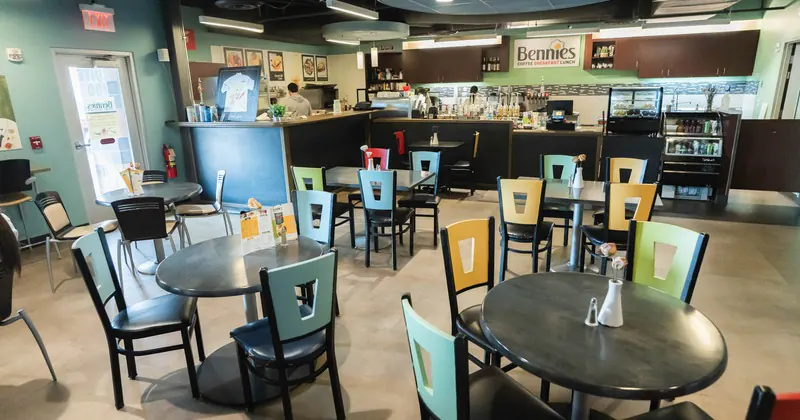
A busy cafe can sell excellent coffee and still feel forgettable. The difference is rarely the grinder, the playlist, or the pastry case on its own. It is the sense that the place belongs to people, that regulars matter, that first-time visitors are welcome, and that the business stands for something beyond transactions.
Community engagement is often treated like a side project, something you do after staffing is sorted and margins stabilize. In practice, it works better as an operating principle. A cafe that becomes part of neighborhood life tends to earn stronger word of mouth, steadier midweek traffic, and more customer forgiveness when something goes wrong. People come back to places where they feel seen.
That does not mean every cafe should host open mic nights, sponsor every school fundraiser, or flood Instagram with worthy announcements. Good community engagement is specific. It reflects your space, your team, your customer base, and the actual rhythms of your block. A narrow room with six tables near an office district needs a different strategy from a family-friendly corner cafe in a residential area. The goal is not to do more. The goal is to do what fits, repeatedly, until it becomes part of your reputation.
Start with the kind of place you already are
Many owners go wrong by copying ideas that looked successful elsewhere. A late-night poetry series might thrive in a university district and flop completely in a commuter neighborhood where people are home by 7 p.m. A children’s craft morning can fill a suburban cafe and create chaos in a sleek business-focused shop where people came to work quietly.
Before planning anything, look at your current traffic patterns. When are your dead hours? Who lingers, and who grabs coffee and leaves? Are your regulars students, parents, remote workers, hospital staff, retirees, or a mix? Which local groups already gather nearby but not in your space? The strongest engagement ideas usually answer a local habit rather than impose a new one.
I once worked with a cafe whose owner kept pushing evening events because he loved live music. The room looked great at night, but attendance was uneven and labor costs crept up. When we reviewed sales, the clearest opportunity was a sleepy period from 2 to 4 p.m. On weekdays. Instead of another night event, the team built a quiet “afternoon neighborhood table” with free refills on batch brew for seniors and rotating board games. It sounds modest, but within two months that slot became one of their most reliable community touchpoints. People met there on purpose. A few started bringing friends. A nearby pharmacy staff began stopping in after lunch. The idea worked because it fit the hour and the audience.
Become a reliable host, not just an event venue
The best community engagement ideas are often less flashy than people expect. Reliability beats spectacle. A cafe that consistently makes room for local life earns more loyalty than one that throws occasional big events with no follow-through.
Think about your business as a host. What can your room make easier for people? A host provides comfort, rhythm, and a reason to return. That might mean reserving one large table every Thursday morning for a neighborhood mothers’ group. It might mean keeping a bulletin board updated and curated, rather than letting it become visual clutter. It might mean training staff to remember local teachers during the back-to-school rush and offer a simple standing perk such as 10 percent off on weekday mornings.
People notice consistency. A monthly habit that runs for a year will usually do more for your cafe’s standing than a single crowded anniversary party.
Partner with nearby small businesses in ways that feel natural
Cross-promotion is one of the most practical ways for a cafe to deepen local ties, but it works best when the relationship goes beyond exchanging flyers at the till.
A florist, bookstore, bakery, yoga studio, bike shop, or ceramics studio can become a genuine partner if the collaboration helps both audiences. The key is relevance. Customers can tell when a partnership exists because two businesses happen to follow each other online. They respond much better when the connection solves a real need or creates a useful experience.
A neighborhood bookstore and cafe can build an easy rhythm together. A “read and sip” receipt exchange, where a same-day purchase at one business unlocks a small benefit at the other, is simple to understand and measurable. A florist can supply mini wrapped bouquets for Mother’s Day pre-orders that customers pick up with brunch drinks. A bike shop can co-host a Saturday morning espresso stop before a short community ride. These are small integrations, but they create overlap between customer groups and make both businesses seem rooted in the same ecosystem.
There is a trade-off here. Partnerships sound free, but they still take staff time, planning, and communication. If the other business is disorganized, your team can end up carrying the operational burden. Start small, put the details in writing, and choose partners who answer messages promptly and value your time.
Give local artists and makers a real platform
Displaying local art on cafe walls is common, but often passive. Pieces go up, a few people glance at them, and nothing much happens. If you want art to function as community engagement rather than décor, treat it like a program.
Curate work with intention. Introduce the artist on social channels with a short note about their connection to the area. Host a modest opening hour instead of an elaborate reception. Put clear labels near the work, with pricing if items are for sale and a simple way to contact the artist. If you sell handmade goods, choose a narrow, edited selection rather than crowding your counter with products that confuse your core offer.
One cafe I know started rotating wall art every six weeks, but the real success came from adding a single printed “meet the maker” card on each table during the first week of a new display. Customers actually read it while waiting for drinks. Sales improved, and the artists brought in friends who often returned later on their own. It was not the art alone that worked. It was the framing.
You can apply the same thinking to ceramics, jam makers, stationery designers, or photographers. The common thread is curation and context. Too many items and the space feels like a market stall. The right few pieces can make your cafe feel local in the best way.
Create recurring rituals that customers can count on
The strongest engagement often grows from rituals rather than one-off campaigns. Rituals give people a reason to orient themselves around your cafe. They reduce the mental effort of deciding whether to participate because the format is already familiar.
A recurring ritual could be as simple as a community tasting every first Saturday, where guests sample one coffee and one pastry pairing and hear a short explanation from staff. It could be a Sunday sketch hour, a monthly language exchange, or a standing “quiet work morning” where phone calls are discouraged and large pots of filter coffee are discounted. The format matters less than the regularity.
Rituals work particularly well because they attract both regulars and curious first-timers. People are more likely to show up for something with a known cadence. “The second Wednesday book swap” is easier to remember than “we sometimes host literary community moments.”
There is also an operational benefit. Recurring events become easier to staff and promote over time. Your team learns the setup, expected footfall, and likely sales mix. Guests learn where to sit, how long it runs, and whether they should book ahead. Familiarity lowers friction on both sides.
Support schools, charities, and neighborhood causes without turning it into performative marketing
Many cafes want to support local causes and should. The challenge is doing it in a way that feels sincere, manageable, and connected to the community instead of opportunistic.
Fundraiser nights, donation jars, and percent-of-sales promotions can all work, but they require judgment. A cafe with tight margins should be careful about making broad promises that hurt cash flow. Donating 20 percent of sales for an evening sounds generous until you account for labor, spoilage, and card fees. In some cases, a fixed donation amount, free meeting space, or in-kind support such as coffee for volunteers is more sustainable and just as appreciated.
If you support a school, be specific. Offer a teacher coffee morning before term starts. Provide trays for parent volunteer meetings at a reduced rate. Sponsor the printing of a school fair map with your logo at the bottom rather than trying to dominate the event. For charities, choose causes your team understands and can discuss honestly if customers ask. People can sense when support is chosen for optics alone.
The most respected community-minded cafes usually have a few causes they back consistently. Consistency signals values. Random acts of public generosity can look like promotion unless there is a clear pattern behind them.
Make space for groups that need a “third place”
A cafe can play an important role as a third place, somewhere that is neither home nor work, where people can spend time without needing an elaborate reason. This matters more than ever in neighborhoods where libraries have reduced hours, community halls are expensive to hire, or informal gathering spaces are disappearing.
That role does not mean letting anyone occupy four seats for five hours over one espresso. Boundaries matter. But there are thoughtful ways to welcome community groups while protecting the business.
Set clear expectations for table use during peak hours. Offer advance reservations for certain meetups if the spend threshold makes sense. Create a simple house policy for clubs and informal groups so your staff do not have to negotiate from scratch each time. Even small decisions, such as making sure one accessible table is never blocked by merchandise, affect whether people feel your cafe is truly available to them.
Some of the most loyal communities a cafe can nurture are not obvious at first glance. New parents, carers, grief support groups, local volunteers, English language learners, and recently retired residents are often looking for a stable, low-pressure place to gather. If your team approaches these groups with respect, rather than as marketing segments, the relationship becomes far more durable.
Use workshops carefully, because they can either build loyalty or exhaust your team
Workshops are a popular community engagement idea for a cafe, and for good reason. They create reasons to visit beyond regular trade and position your business as a place of learning and connection. But workshops are easy to overestimate. Many owners imagine packed rooms and strong add-on sales. The reality can be messier.
Hands-on events take planning. Someone has to manage bookings, supplies, timing, cleanup, and late arrivals. bennies.cafe Cafe If the workshop leader is external, they need a clear agreement on fees, capacity, setup, equipment, and what happens if attendance is low. If your own staff are teaching, you need to account for prep time, not just the hour customers see.
The workshops that tend to work best in cafes are compact and clearly tied to your brand. A brew methods class, a coffee tasting flight, beginner latte art, journaling with coffee, or a seasonal pastry decorating session often makes more sense than a three-hour intensive unrelated to your menu or space. Keep the experience focused, and make sure participants understand whether they are paying for a social event, a skill-building class, or both.
Turn your regulars into contributors
A cafe community becomes stronger when customers help shape it. Not in a chaotic “everyone decides everything” way, but through small invitations to participate.
Ask regulars what they want more of during slow periods. Feature a customer-recommended drink for a week and tell the story behind it. Let a local run club choose the post-run pastry bundle. Invite nearby residents to vote on which charity receives a monthly donation pot. These touches are modest, yet they shift the relationship from seller and buyer to host and participant.
One independent cafe I visited had a “neighborhood notes” board, but unlike the usual crowded notice wall, this one was curated around a monthly prompt. One month it asked people to name a local hidden gem. Another asked what class or club they wished existed nearby. The board became a source of conversation and eventually inspired two actual events, a local walking map exchange and a beginner knitting circle. That is the kind of community idea that starts small and grows because it comes from real customer behavior, not from a generic calendar.
Your staff carry the whole thing
No engagement plan survives cold service. Customers do not separate the event from the welcome. They remember how the room felt, whether the barista was patient, whether staff looked informed, and whether the experience seemed thoughtfully run.
If your team is expected to support community-building, they need context. Tell them why a partnership matters, who a local artist is, what the school fundraiser supports, or why a certain group meets every month. Give them short talking points, but do not script them into stiffness. Staff who understand the purpose behind an initiative can speak naturally about it.
Be honest about workload too. Community programming often lands hardest on front-of-house staff who are already stretched. If you add events without labor planning, resentment builds quickly. I have seen owners proudly announce ambitious monthly calendars while the team quietly dreads every one of them. Customers can feel that tension. It undercuts the very warmth you are trying to create.
Digital engagement should feed the real room
It is tempting to think of community engagement as social media activity, but online response is not the same as local connection. Likes are easy. Showing up repeatedly is harder, and more valuable.
Use digital channels to reinforce in-person behavior. Share photos from recurring gatherings, with permission. Spotlight local partners and explain why you chose them. Announce event details clearly, including start time, expected duration, whether booking is required, and whether non-attendees can still use the space normally. A surprising amount of community friction comes from poor communication. People get annoyed when they arrive hoping for a quiet coffee and discover the cafe is hosting a loud private gathering they knew nothing about.
Email often works better than people expect for local cafes. A short monthly note with two upcoming events, one neighborhood collaboration, and one menu highlight can build a sense of continuity without overwhelming people. Keep the tone plain and useful. Community grows through trust, not hype.
Know which ideas suit your size and margin
Not every engagement tactic suits every cafe. A larger all-day venue with a kitchen can support evening events more easily than a tiny counter-service spot with minimal staffing. A cafe with a strong pastry program may find seasonal classes natural. A commuter-heavy business may do better with morning partnerships and loyalty rituals than longer in-store gatherings.
If you are deciding where to start, these are often the most practical first moves:
- Pick one recurring monthly event that fits your slowest realistic trading window.
- Form one partnership with a nearby business whose audience overlaps with yours.
- Support one local cause in a way your margins can sustain for at least six months.
- Train staff on the purpose and details of each initiative before announcing it publicly.
- Measure what happens, not just attendance, but sales patterns, repeat visits, and customer feedback.
That kind of restraint is useful. Community engagement fails when it becomes a pile of disconnected ideas. Three well-run initiatives will outperform ten rushed ones almost every time.
Measure the right signals
Some owners judge community efforts too quickly because they only ask whether an event made money that day. Immediate revenue matters, of course, especially in hospitality where every labor hour counts. But community engagement often pays back through repeat custom, stronger retention, private bookings, catering inquiries, and reputation. Those effects can show up later and in less obvious ways.
At the same time, do not romanticize unprofitable activity forever. If a program consistently drains staff energy, displaces better trade, or attracts people who rarely return, it may need to change or end. Sentiment should not override evidence.
Look for signs like these:
- More repeat visits from attendees within the next month.
- Higher average spend on event days or in the time slots around them.
- New customers mentioning a partner, local group, or specific gathering.
- Staff reporting that guests are asking when the next one is.
- Organic referrals, especially from schools, clubs, or nearby businesses.
Notice that none of those metrics require elaborate software. A simple notes field in your till, a booking spreadsheet, and attentive managers can tell you plenty. The point is to observe patterns, not create a reporting burden that nobody keeps up with.
Small gestures often outperform big campaigns
Some of the most effective community engagement ideas for a cafe cost very little. A dedicated shelf for local free papers and community zines. A standing discount for people who cycle in before 9 a.m. A water station for dog walkers. Early opening one Saturday a month for a neighborhood volunteering group. Name tags at social gatherings so newcomers do not feel awkward. Better acoustics in a room that hosts conversation. Clear signage that tells people laptops are welcome until noon but not during lunch rush.
These are not glamorous ideas, but they shape how a place is used. Customers do not always praise these details out loud. They simply build habits around them. Habit is where community becomes commercially meaningful.
The strongest cafes understand that engagement is not a campaign layered on top of service. It is a way of making decisions about space, programming, partnerships, and hospitality. It asks a simple question again and again: what would make this place more useful, more welcoming, and more rooted for the people nearby?
When a cafe answers that question well, the payoff Cafe is visible. You hear customers introducing the place to friends as if they had a stake in it. You see local businesses send people your way without being asked. You notice regulars defending the cafe online when someone complains unfairly. At that point, community is no longer a marketing angle. It is part of the business itself, and that is when it starts to last.
Bennies Cafe
17230 Jackson Creek Pkwy Ste 100, Monument, CO 80132
+1 719-445-0660
FAQ About Cafe
What is considered a café?
A café is generally an informal place to enjoy refreshments and a meal. Bennies Cafe in Monument serves breakfast and lunch in a counter-service setting, with options including eggs Benedict, sandwiches and crepes. Guests can eat in or arrange pickup.
What is the difference between a coffee shop and a café?
The terms often overlap. A coffee shop usually emphasizes coffee and other drinks, while a café may offer a broader food menu. Check the individual establishment's menu rather than relying on its name. Bennies Cafe offers coffee drinks alongside breakfast and lunch dishes.
What is the difference between café and coffee?
In everyday English, a café is a place where people buy food and drinks, while coffee is the beverage. The word café comes from the French word for coffee. Bennies Cafe serves options such as brewed coffee, espresso and lattes as part of its drinks menu.